CONTEXT: ANTARCTICA & THE RESOURCE BAN
Antarctic Treaty System
- Signed in 1959, came into force in 1961.
Key Features:
- Declares Antarctica a scientific preserve.
- Prohibits military activity and resource exploitation.
- Madrid Protocol (1991): Specifically bans mineral resource activities except for scientific research.
- The treaty is binding until 2048, after which a review can be triggered.
RUSSIA’S DISCOVERY: CLAIMED OIL ‘JACKPOT’
The Discovery
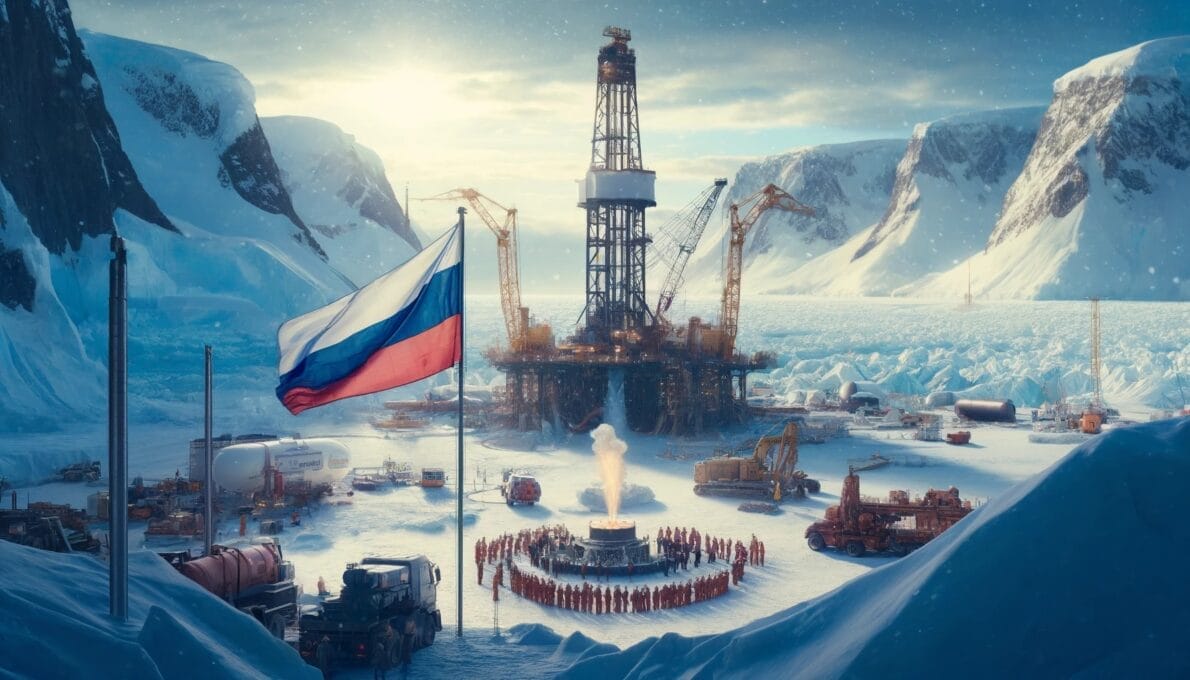
- Russian scientists claim to have identified oil reserves estimated at 511 billion barrels.
- Located in the Weddell Sea, near the British Antarctic Territory (BAT).
- Conducted by Rosgeo, a Russian state-owned geological survey company
- Data collected by the research vessel Alexander Karpinsky, under the guise of scientific exploration.
Scale of the Reserves
- 511 billion barrels is:
- More than double Saudi Arabia’s proven reserves.
- Nearly 10 times the oil output of the North Sea over the past 50 years.
- Equivalent to 14 years of current global oil consumption.
GEOPOLITICAL IMPLICATIONS
Russia’s Strategic Move
- Though resource exploitation is banned, Russia is using scientific research loopholes to gather geological data.
- Experts say this could be an attempt to “pre-position” for eventual extraction post-2048.
- Raises concerns about Russia’s pattern of:
- Expanding Arctic operations.
- Flouting international norms when politically convenient.
UK’s Reaction
- The UK claims sovereignty over the British Antarctic Teritory (BAT), where the discovery is made British lawmakers have raised concerns over Russia’s actions and treaty violations.
- UK media (e.g, The Telegraph) called it a “resource grab”.
China’s Parallel Interest
- China has built five Antarctic research bases.
- Seen collaborating with Russia to counter Western influence in the region.
- China also aims to be a stakeholder if/when the treaty review opens in 2048.
2048 Treaty Review
- In 2048, the Madrid Protocol comes up for review.
- Countries could choose to:
- Extend the ban.
- Allow regulated resource extraction.
- Russia’s move signals early positioning for future claims.
Possibility of Treaty Breakdown
- If major powers violate or opt out of the treaty, it could:
- Destabilize global Antarctic governance.
- Lead to a “resource race” similar to the scramble for the Arctic.
- Encourage territorial claims, leading to conflict.
ECONOMIC & ENVIRONMENTAL CONSIDERATIONS
Is Extraction Even Possible?
- Current technological and logistical constraints make extraction:
- Extremely difficult and costly.
- Requires drilling under thick ice shelves and deep waters
- Experts estimate oil prices must rise to $150-200 per barrel for extraction to become viable
Environmental Catastrophe Risk
- Antarctica is a fragile ecosystem
- Home to unique marine life and climate-regulating systems.
- Driling could cause oil spills in icy waters with no response infrastructure.
- Could accelerate ice melt, worsening global sea-level rise.
LEGAL AND ETHICAL GREY AREAS
Is Russia Violating the Treaty?
- Russia claims its surveys are for scientific research, which is allowed.
- However, dual-use data collection (science with commercial intent) is controversial.
- Other treaty members (like the UK, Australia, Norway) fear:
- This sets a dangerous precedent.
- Could undermine treaty enforcement.
WHAT NEXT?
Possible Scenarios:
1. Global Monitoring Tightens: Countries push for satellite surveillance and stricter definitions of “scientific
research.”
2. Increased Militarization: As tension rises, nations may increase naval presence under the guise of logistics.
3. Pre-2048 Treaty Clash: Political lobbying to preserve or amend the treaty will intensify.
4.Climate Campaigns: Environmental groups will oppose any commercial interest in Antarctic resources.
INDIA’S STAKE?
- India is a consultative member of the Antarctic Treaty.
- Operates Bharati and Maitri research stations in Antarctica
- India’s position aligns with environmental protection, but may also explore strategic presence if exploitation becomes legal.