The attack took place in Baisaran Valley, near the famous hill station Pahalgam in South Kashmir’s Anantnag district.
A major tourist hub in the Kashmir Valley, Pahalgam is also a route for the Amarnath Yatra, making it a sensitive security zone.
What Happened:
On April 22, 2025, heavily armed terrorists ambushed a group of Hindu pilgrims and tourists.
The assailants used automatic weapons and grenades in a pre-planned ambush, killing 26 civilians, including women and children. Dozens more were injured.
Eyewitnesses said the attack lasted nearly 15 minutes and that militants fled deep into nearby forests.
Perpetrators:
The group behind the attack was linked to The Resistance Front (TRF), a proxy of Lashkar-e-Taiba (LeT).
Indian intelligence later revealed the attack was carried out by a 3-man Pakistani terrorist module:
Moosa – Mastermind
Yunus – Logistics handler
· Asif — Marksman/sniper
These operatives entered through the Rajouri-Poonch sector, known for LoC infiltration.
Aftermath:
A list of 14 terrorists ihvolved in the planning/logistics of the attack was circulated.
Within 3 weeks, six of them were neutralized in encounters across Shopian, Pulwama, and Kulgam
Indian agencies tightened security across South Kashmir and monitored cross-border infiltration routes
Operation Mahadev July 28, 2025)
Purpose:
Launched specifically to eliminate the mastermind and surviving members of the Pahalgam terror strike.
Part of a wider intelligence-led campaign following real-time tracking of phone intercepts and drone surveillance.
Location:
The operation was conducted in the Harwan forest area near Dachigam, close to Srinagar city.
Terrain was dense, wooded, and difficult, requiring special ops units and drones.
Strategic Context & Intelligence Strategy
Objectives of Operation Mahadev:
Neutralize Pahalgam attackers.
2.Dismantle terror sleeper cells in urban Srinagar.
.Prevent another high-profile attack during the upcoming Independence Day and Amarnath Yatra.
Intelligence:
RAW and NTRO monitored cross-border conversations and movement.
Suspected Pakistani handlers were tracked to locations in Bahawalpur and Muzaffarabad, confirming LeT/JeM links.
Terrorists were planning another high-casualty civilian strike in Srinagar or Baramulla.
Indian Government Response
Political & Military:
Defence Minister Rajnath Singh praised the operation in Parliament and stated that “India will strike hard and strike smart”.
Calls were made to revise the ceasefire terms with Pakistan and monitor LoC violations strictly.
Operation Sindoor – a covert cross-border precision airstrike on terror launchpads – was also launched as retaliation.
The Encounter:
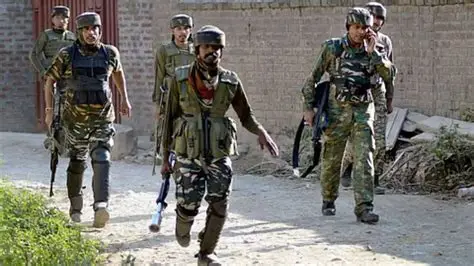
On July 28, Indian Army’s RR (Rashtriya Rifles), CRPE, and JK Police SOG (Special Operations Group)launched a joint search.
A fierce firefight ensued for 6 hours after the terrorists were cornered.
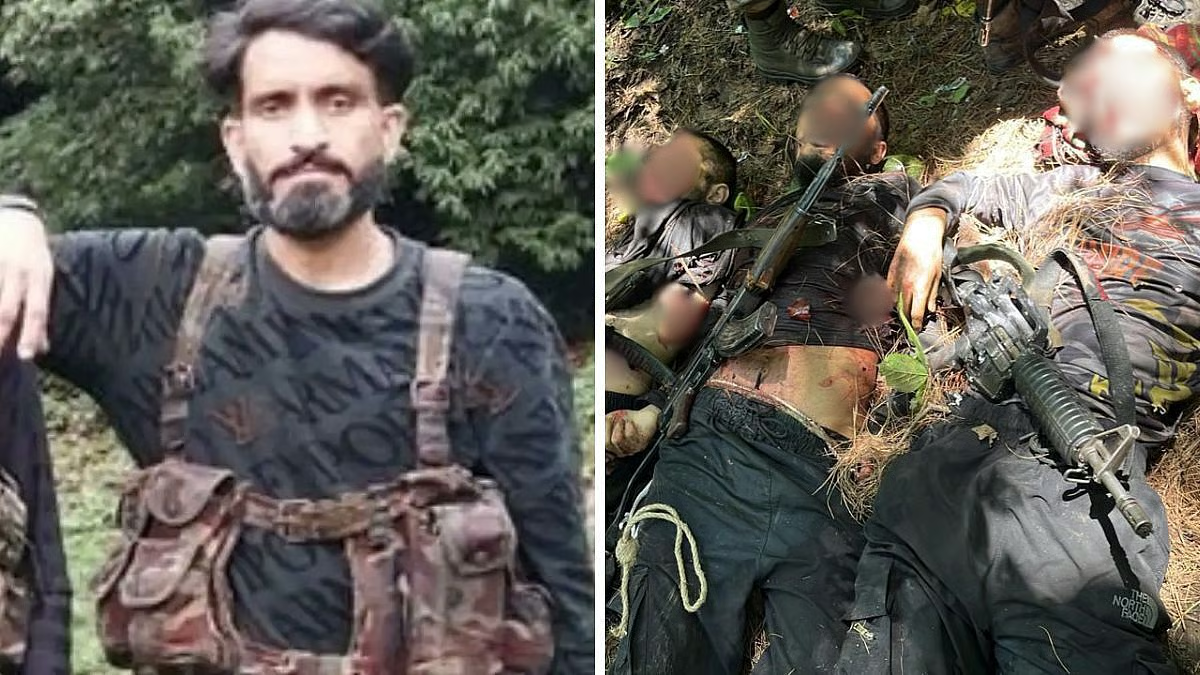
Three Pakistani terrorists were killed. Among them:
One is believed to be “Moosa””, the alleged mastermind.
Others were likely handlers or backup operatives sent to plan another attack.
High-grade weapons were recovered: AK-series rifles, US-made M4 carbines, GPS devices, and encrypted communication gear.
Security Measures:
Deployment of additional battalions in South Kashmir.
Introduction of Al-powered surveillance drones, biometric scanning for yatra routes, and enhanced SIGINT (signal intelligence) units.
CONCLUSION
Operation Mahadev was not just a tactical counter-terror operation;
It was a symbolic and strategic retaliation for the brutal Pahalgam massacre.
It showcases India’s evolving approach of combining intelligence-led operations, military precision, and international diplomatic pressure to eliminate terror threats at their roots.