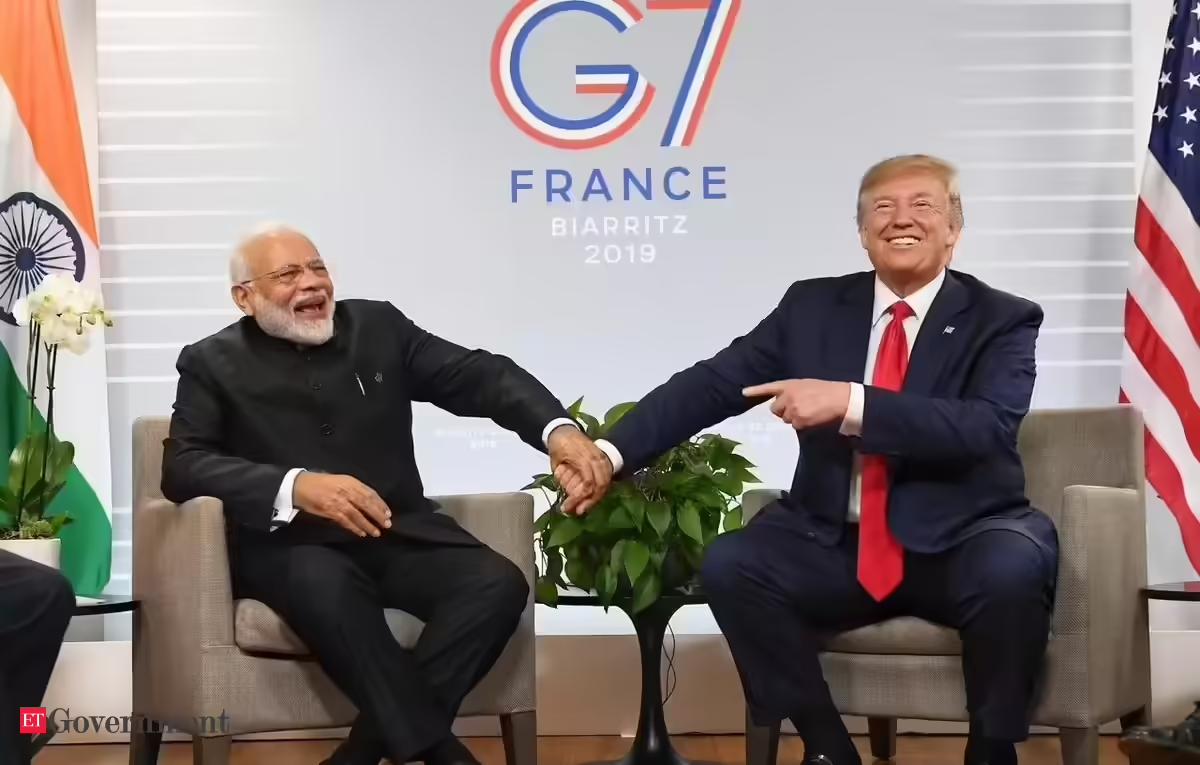
Background: Trump’s Tariff War with India
- On August 6, 2025, President Donald Trump imposed an additional 25% tariff on Indian goods, on top of existing duties.
- This means up to 50% tarifs now apply to key Indian exports such as:
•Textiles (a major labor-intensive industry in India)
* Jewelry and gems
•Leather and footwear
* Seafood
* Chemicals and engineering products - The justification given by the Trump administration:
- India is “too close” to Russia (buying discounted Russian oil and defense equipment).
- Washington wants to squeeze New Delhi to align with U.S. sanctions and strategic interests
This marked one of the sharpest downturns in U.S.-India trade ties in decades.
Immediate Impact on Indian Economy
- Exporters panic: With 50% tariffs, Indian products became less competitive in the U.S. market overnight.
Industries at risk: Labor-intensive sectors like textiles and leather are facing job losses, especially in states like Tamil Nadu, Gujarat, and Maharashtra.
Government response:
- India is reportedly preparing a relief package for exporters hit by U.S.tariffs.
- The Ministry of External Affairs has condemned the move as “unfair, unjustified, and unreasonable
- “Industry bodies are lobbying for diversification to Europe, ASEAN, and the Middle East to reduce U.s.dependence.
IT Sector: India’s “Golden Goose”
Unlike textiles or jewelly, IT services (software, outsourcing, consulting, Al development) are not yet under tariffs.
The Indian IT industry is valued at $245 billiont (2024 estimates), with the U.S. being its largest client:
- Around 60% of revenue comes from U.S.companies.
- Top IT giants (TCS, Infosys, Wipro, HCL) earn bilions from U.S.contracts.
- Services include cloud management, banking IT systems, cybersecurity, Al-driven analytics, and remote back-office operations.
This sector is India’s crown jewel in global trade-less vulnerable to tariffs on physical goods, but high dependent on U.S.corporate demand and visa policies.
Indirect Pressure Already Felt in IT
While no direct tariffs on IT exist yet, ripple effects are being seen:
- U.s.companies tightening budgets: Tariffs on goods create inflationary pressure in the U.S., which reduces discretionary spending-including large multi-year IT contracts.
- Deal delays: Reports show U.S.clients are delaying decision-making on new outsourcing deals.
- Al disruption: Simultaneously, U.S. firms are investing more in Al automation, reducing reliance on Indian IT manpower.
So even without direct tariffs, the IT sector faces slower growth and shrinking margins.
Is Trump Considering Direct Action on IT Services?
Yes — according to recent U.S. policy discussions.
Emerging Proposals:
- Tariffs on outsourcing services: Apply a fee/tax whenever a U.S.company outsources work to India or uses offshore IT teams.
- Visa restrictions: Tighten H-1B visas (vital for Indian engineers in the U.S,). This was already part of Trump’s first term policies.
- Tax on remittances: Consider taxing money transfers sent abroad by non-citizens-this would indirectly hurt Indian tech workers in the U.S. who send earnings home.
Who is pushing this?
- Peter Navarro (Trump’s senior trade adviser, architect of many tariff policies) has hinted at such measures.
- Conservative U.S. think tanks and trade hawks argue that “virtual imports” (outsourced IT) should be
treated like physical imports - At present, these are proposals, not official policy. But the discussions suggest IT services are on Trumps radar.
Why Target IT?
- Political messaging: Trump’s base sees outsourcing as job theft from Americans. Punishing IT outsourcing would be a strong domestic political move.
- Leverage on India: IT is India’s most globally competitive sector-targeting it would put pressure on PM Modi to align more closely with U.S.strategic goals.
- Election 2026 narrative: “Bringing jobs back from India” plays well with Rust Belt voters who feel displaced by globalization.
India’s Counter-Strategy
- Diversification: Indian IT companies are accelerating entry into Europe, Middle East, Africa, and Asia-Pacific markets.
- Al pivot: Heavy investment in generative Al, cloud platforms, and cybersecurity to stay indispensable.
- Domestic lobbying: Indian IT CEOs are engaging with U.S.clients to highlight cost savings and innovation benefits.
- Government diplomacy: New Delhi is expected to argue that IT services are mutually beneficial and shouldn’t be politicized.
Strategic Outlook
- As of September 2025:
- Goods exports are under heavy tariff fire.
- IT services remain untouched directly, but face budget tightening and policy risk.
- Proposals for outsourcing tariffs and visa restrictions are floating, but not yet signed into law.
Future scenarios:
1.Moderate escalation – More visa curbs + possible remittance tax.
2. Severe escalation – Outsourcing tariffs imposed (could shock Indian IT revenues).
3. Negotiated compromise -India offers concessions on Russian oil imports or defense ties, Trump holds back on IT measures.